

Paint protection film should be applied to the highest-impact zones of a vehicle: the front bumper, hood, front fenders, side mirrors, and lower rocker panels. These areas take the majority of the rock chips, scratches, and road-debris damage. The correct coverage depends on driving conditions, mileage, and how long the vehicle is expected to be kept.
Owners researching paint protection film in Fort Worth, TX, are typically trying to balance protection level with cost, focusing on the panels that degrade first under real-world driving conditions.
Understanding Paint Protection Film Coverage Levels
PPF is installed in structured packages because not every panel faces the same risk. The goal is to protect the highest-exposure areas first, then expand coverage based on usage.
Coverage Options Breakdown
| Package Type | Included Areas | Best Application | Protection Level |
| Partial Front | Bumper, partial hood, mirrors | Low-mileage drivers | Entry-level |
| Full Front | Full hood, bumper, fenders, mirrors | Daily commuters | High |
| Extended Coverage | Adds rocker panels and pillars | Highway-heavy use | Very high |
| Full Vehicle | Entire painted exterior | Long-term ownership | Maximum |
Each step increases surface protection but also improves long-term paint preservation and resale condition.
Where Paint Protection Film Matters Most
Not all vehicle panels degrade at the same rate. Some areas consistently absorb more impact energy from road conditions.
1. Front Bumper
The front bumper is the first point of contact for road debris. It absorbs gravel, insects, and minor impacts from highway driving.
2. Hood
The leading edge of the hood experiences high-speed chip damage. Full coverage prevents visible wear patterns and paint inconsistencies.
3. Front Fenders
Fenders sit directly in the spray path of the front tires, making them vulnerable to repeated chip damage over time.
4. Side Mirrors
These components are exposed and protruding, making them frequent targets for chips and scratches.
5. Door Edges and Handles
These areas experience constant human contact, especially in tight parking environments.
6. Rocker Panels
Rocker panels are exposed to debris kicked up by tires and often show early signs of paint erosion without protection.
How Coverage Decisions Are Made in Practice
Professional installers do not apply PPF randomly. Coverage is based on exposure mapping and driving behavior.
Installation Evaluation Process
- Inspect paint condition and surface integrity
- Identify high-impact zones based on vehicle shape
- Review the driving environment and mileage
- Determine exposure level (city vs highway)
- Match the protection package to the budget
- Select film type and finish
- Execute installation and curing process
In Fairmount, tight residential parking led to increased door-edge wear, shifting the focus toward localized protection rather than full hood coverage.
A separate case in Tanglewood highlighted increased lower-body damage caused by construction-heavy routes, necessitating rocker panel reinforcement.
Technical Breakdown of Paint Protection Film
Understanding how PPF works explains why specific zones are prioritized.
Feature Definitions
Self-Healing Top Layer
A heat-reactive surface that minimizes light scratches and swirl marks when exposed to warmth from sunlight or engine heat.
Hydrophobic Surface Behavior
A water-repelling layer that reduces staining and makes routine cleaning more efficient.
UV Resistance Layer
Prevents long-term fading and oxidation caused by sun exposure.
Impact Absorption Core
A durable polyurethane layer designed to absorb physical force from road debris.
Optical Clarity Finish
Maintains the original paint appearance without haze, yellowing, or distortion.
Coverage Strategy: Partial vs Full Protection
The decision between partial and full coverage depends on usage intensity and ownership goals.
| Factor | Partial Coverage | Full Coverage |
| Cost | Lower upfront | Higher upfront |
| Protection Area | Front-focused | Entire vehicle |
| Maintenance | Standard | Minimal long-term |
| Resale Value Impact | Moderate | Significant |
| Appearance Consistency | Visible edges | Seamless finish |
Partial coverage is often chosen for newer daily drivers, while full coverage is typically selected for long-term vehicle retention.
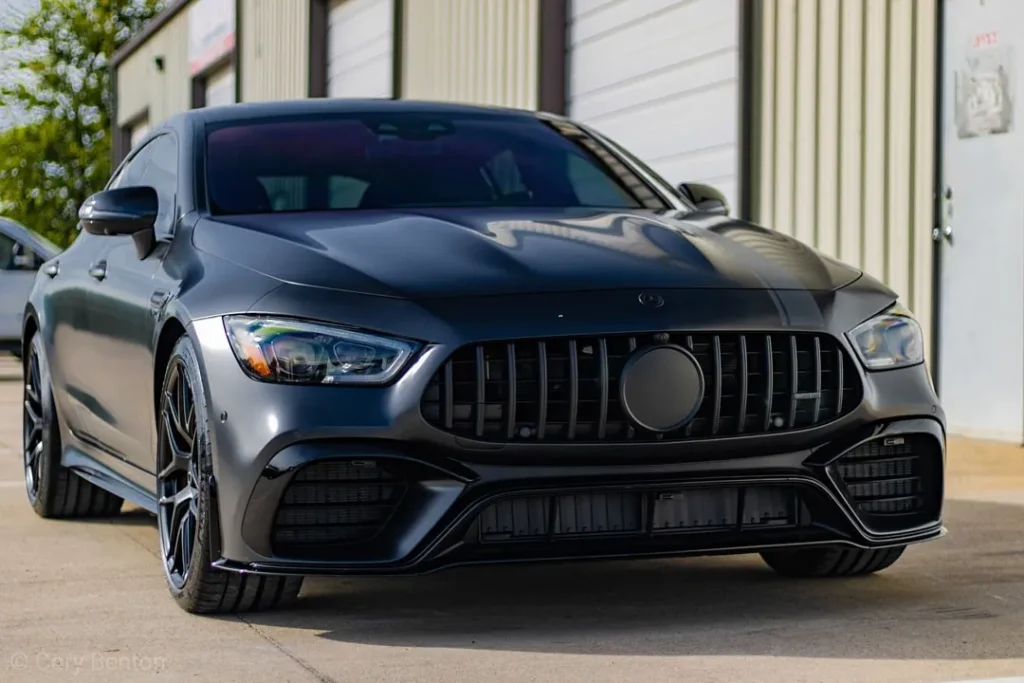
Common Industry Misconception About Paint Protection Film
Myth: Paint Protection Film Is Only for Luxury Vehicles
This is incorrect. Damage risk is driven by exposure, not vehicle price. Daily-driven vehicles often experience more paint wear than luxury garage-kept cars.
The reality is that paint damage comes from road conditions, mileage, and driving behavior—not vehicle category.
At Technics Auto Shield, a family-owned and operated installation center established in 2009 with over 25 years of experience, protection strategies are based on usage patterns rather than assumptions about vehicle value.
Many drivers searching for paint protection film in Fort Worth discover that mid-range commuter vehicles often benefit the most from targeted protection because they are exposed to consistent daily wear.
Installation Quality and Why It Matters
Even a premium film will fail if installed incorrectly. Precision determines durability.
Key Quality Factors
- Edge wrapping accuracy
- Dust-free installation environment
- Correct tension during application
- Panel alignment precision
- Proper curing time control
Poor installation leads to lifting edges, trapped contamination, and reduced lifespan. A properly executed installation ensures long-term adhesion and clarity.
Professionally installed Fort Worth, TX protection film ensures the material performs as designed over its full service life.
Maintenance After Installation
PPF requires minimal maintenance but benefits from proper care habits.
Maintenance Guidelines
- Wait 5–7 days before first wash
- Use pH-neutral soap only
- Avoid abrasive brushes or automated car washes
- Dry using microfiber towels
- Inspect edges periodically for lifting
Proper maintenance preserves both appearance and adhesion strength over time.
Benefits of Paint Protection Film
Key Advantages
- Reduces rock chip damage on high-impact areas
- Preserves factory paint condition
- Improves resale value over time
- Minimizes repainting and detailing costs
- Maintains a consistent exterior appearance
These benefits become more noticeable with higher mileage and frequent highway driving.
Drivers comparing Fort Worth protection film options often prioritize long-term paint preservation over short-term cosmetic upgrades.
Considerations in Vehicle Protection Services
Trustworthy installation providers demonstrate consistency, transparency, and technical expertise. Quality is measured through process control, material selection, and long-term performance outcomes.
Technics Auto Shield applies structured installation protocols, backed by real-world experience and proven methods, to ensure consistent results across different vehicle types and usage conditions.
In Summary
Paint protection film is most effective when applied strategically to high-impact areas rather than randomly across a vehicle. Proper coverage planning ensures long-term paint preservation, cost efficiency, and reduced wear from everyday driving conditions.
For tailored installation and professional guidance, contact us at Technics Auto Shield. Backed by over 25 years experience, family-owned and operated values, and a foundation built on precision installation, the team delivers protection solutions designed for real-world driving durability.
Frequently Asked Questions
What areas of a vehicle should be protected first?
The front bumper, hood, and fenders should always be prioritized given their highest exposure.
Is full-body paint protection film worth it?
Yes, especially for long-term ownership or high-value vehicles.
How long does paint protection film last?
Most professional-grade films last between 7 and 10 years, depending on maintenance.
Can paint protection film be removed safely?
Yes, when professionally installed, it can be removed without damaging factory paint.
Does paint protection film work on older vehicles?
Yes, as long as the paint surface is properly corrected before installation.
