

Paint protection film (PPF) protects vehicles from heat and sun damage by acting as a transparent, high-strength polyurethane barrier that blocks ultraviolet radiation, reduces infrared heat absorption, and prevents long-term oxidation of automotive paint. Instead of allowing environmental stress to reach the factory’s clear coat directly, it absorbs and disperses that energy at the surface level. The result is slower paint degradation, improved gloss retention, and better long-term finish stability.
For modern vehicle owners, especially those who park outdoors or drive daily in high-heat conditions, PPF has become a foundational preservation tool rather than an optional cosmetic upgrade.
Why Heat and Sunlight Are So Damaging to Automotive Paint
Automotive paint is built in multiple layers: primer, base coat, and a protective clear coat. While durable, the clear coat is constantly exposed to environmental stressors that slowly break it down over time.
The main damage drivers include:
- Ultraviolet radiation (UV exposure): breaks molecular bonds in paint pigments, causing fading
- Thermal cycling: repeated heating and cooling expand and contract the clear coat, weakening its structure
- Oxidation: oxygen exposure combined with heat causes dullness and chalking
- Surface micro-abrasion: dust and contaminants gradually scratch the clear coat
Even when damage is not immediately visible, these processes accumulate. Vehicles regularly exposed to sunlight can experience surface temperatures significantly higher than ambient air, accelerating long-term degradation.
This is why physical and thermal protection layers, such as PPF, are increasingly used in modern automotive care strategies.
How Paint Protection Film Works at a Material Level
Paint protection film is made from thermoplastic polyurethane (TPU), a flexible and highly durable material designed for impact resistance and environmental stability.
Unlike waxes or sprays that sit loosely on the surface, PPF bonds directly to the clear coat, forming a semi-permanent protective layer.
Core protection functions:
- UV filtration: reduces ultraviolet exposure to the paint layer
- Heat dispersion: spreads infrared energy across the surface instead of allowing concentrated heat points
- Impact absorption: prevents stone chips and road debris from damaging paint
- Elastic memory: allows the film to “heal” minor surface scratches when exposed to heat
This combination makes paint protection film in Fort Worth, TX, one of the only systems capable of protecting against both physical damage and long-term environmental stress.
Paint Protection Film Compared to Other Protection Systems
| Protection Method | UV Resistance | Heat Reduction | Impact Protection | Longevity | Maintenance |
| Paint Protection Film | Very High | Very High | Very High | 7–10 years | Low |
| Ceramic Coating | High | Medium | Low | 2–5 years | Medium |
| Wax | Low | Low | None | Weeks | High |
Ceramic coatings improve surface slickness and chemical resistance, but they do not provide meaningful physical protection. Wax offers only temporary gloss enhancement. PPF remains the only option that protects against both environmental and mechanical damage simultaneously.
Technical Breakdown: What Makes Modern PPF Effective
Paint protection film performance depends on multiple engineered layers working together.
Definition List: Key Film Components
Thermoplastic Polyurethane (TPU) Base Layer
A flexible substrate that absorbs impact energy and maintains structural stability under heat exposure.
UV-Stabilized Coating
A protective layer designed to filter ultraviolet radiation and prevent film yellowing or breakdown.
Hydrophobic Top Layer
Repels water, dirt, and contaminants, reducing surface staining and improving long-term clarity.
Self-Healing Surface Technology
A heat-activated molecular structure that allows minor scratches to disappear when exposed to sunlight or warm water.
Optical Clarity Finish
Ensures the film remains nearly invisible, preserving factory paint gloss and depth without distortion.
Together, these layers create a durable shield that functions continuously under harsh environmental conditions.
Real-World Experience: How Heat Affects Vehicles Differently by Environment
Vehicle exposure is not uniform; it varies by location, parking habits, and surrounding surfaces.
In Arlington Heights, vehicles often remain parked in open sunlight for extended periods. This creates consistent UV exposure that accelerates oxidation and clear coat breakdown over time. Paint protection film reduces this stress by filtering UV rays before they reach the paint surface.
In Fairmount, tree cover creates alternating patterns of shade and sunlight. This uneven exposure can lead to patchy fading if the paint is unprotected. PPF helps maintain consistent UV shielding across all panels, reducing uneven wear.
In Near Southside, dense urban infrastructure reflects heat from asphalt and buildings. Even shaded vehicles experience elevated surface temperatures due to reflected infrared energy. PPF helps stabilize surface heat exposure in these conditions, reducing long-term thermal stress.
These scenarios highlight how environmental variation directly impacts paint longevity and why protective films are increasingly used for daily-driven vehicles.
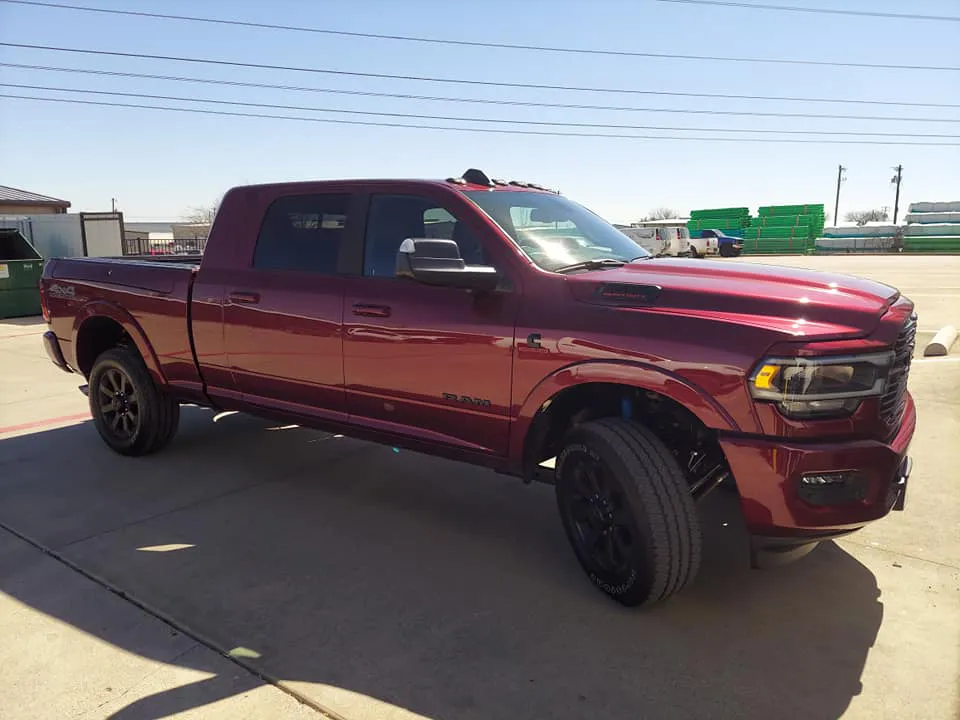
Automotive Protection Strategy: Preserving Long-Term Vehicle Value
Beyond aesthetics, Fort Worth paint protection film plays a major role in preserving resale and long-term ownership value.
Key benefits include:
- Maintains original factory paint condition
- Reduces the need for paint correction or refinishing
- Preserves gloss consistency across all panels
- Protects against environmental and road-related wear
Vehicles with preserved factory paint typically retain higher resale value because exterior condition is one of the most visible indicators of maintenance history.
This is especially relevant for owners focused on long-term vehicle retention rather than short-term cosmetic upgrades.
Why Installation Quality Is Critical for Performance
Even high-grade film will fail to perform correctly if installed improperly.
Professional installation includes:
- Full paint decontamination before application
- Machine-cut precision templates for panel accuracy
- Edge wrapping in high-impact zones
- Controlled temperature and humidity during installation
- Proper curing time to ensure full adhesive bonding
Poor installation can trap dust, create lifting edges, or reduce optical clarity. These issues not only affect appearance but also reduce long-term durability when exposed to heat.
Common Misconception: Does Paint Protection Film Trap Heat?
One of the most common misunderstandings is that paint protection film traps heat and damages paint underneath.
The reality:
Modern TPU-based films are engineered to reduce heat transfer, not trap it. They disperse infrared energy across the surface and block a significant portion of UV radiation before it reaches the paint.
Older-generation films lacked advanced UV stabilization, which led to outdated assumptions. Today’s materials are specifically designed for high-temperature environments and prolonged sun exposure.
About Technics Auto Shield
Technics Auto Shield specializes in professional automotive surface protection systems, including precision installation for paint protection film in Fort Worth and long-term exterior preservation solutions. The focus is on installation accuracy, material performance, and durability under real-world driving conditions.
In competitive markets like Fort Worth, proper surface preparation and installation technique are essential for achieving long-lasting clarity, heat resistance, and reliable protection. As demand for professional vehicle protection continues to grow, more owners are prioritizing preventative solutions that help maintain factory paint condition under harsh sun exposure and everyday wear.
Final Takeaway: Long-Term Protection for Real-World Conditions
Paint protection film offered by Technics Auto Shield provides one of the most effective defenses against heat, UV exposure, and environmental wear, delivering long-term protection that preserves factory paint integrity under real driving conditions.
For professional installation and long-term vehicle protection solutions, contact us today.
Frequently Asked Questions
How does paint protection film reduce heat damage?
It reduces heat damage by dispersing infrared energy and blocking UV radiation before it reaches the paint layer.
How long does paint protection film last?
High-quality film typically lasts 7–10 years, depending on environmental exposure and maintenance.
Is paint protection film better than ceramic coating for sun protection?
Yes. Ceramic coatings improve gloss and chemical resistance, but PPF provides superior UV, heat, and impact protection.
Can paint protection film be removed safely?
Yes. When professionally installed, it can be removed without damaging the underlying factory paint.
